
Home / LED Bulbs
Bulb programme — 14 models
LED light bulbs: the bulb programme
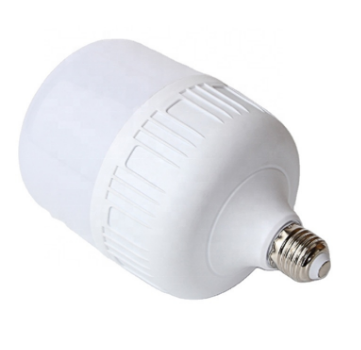
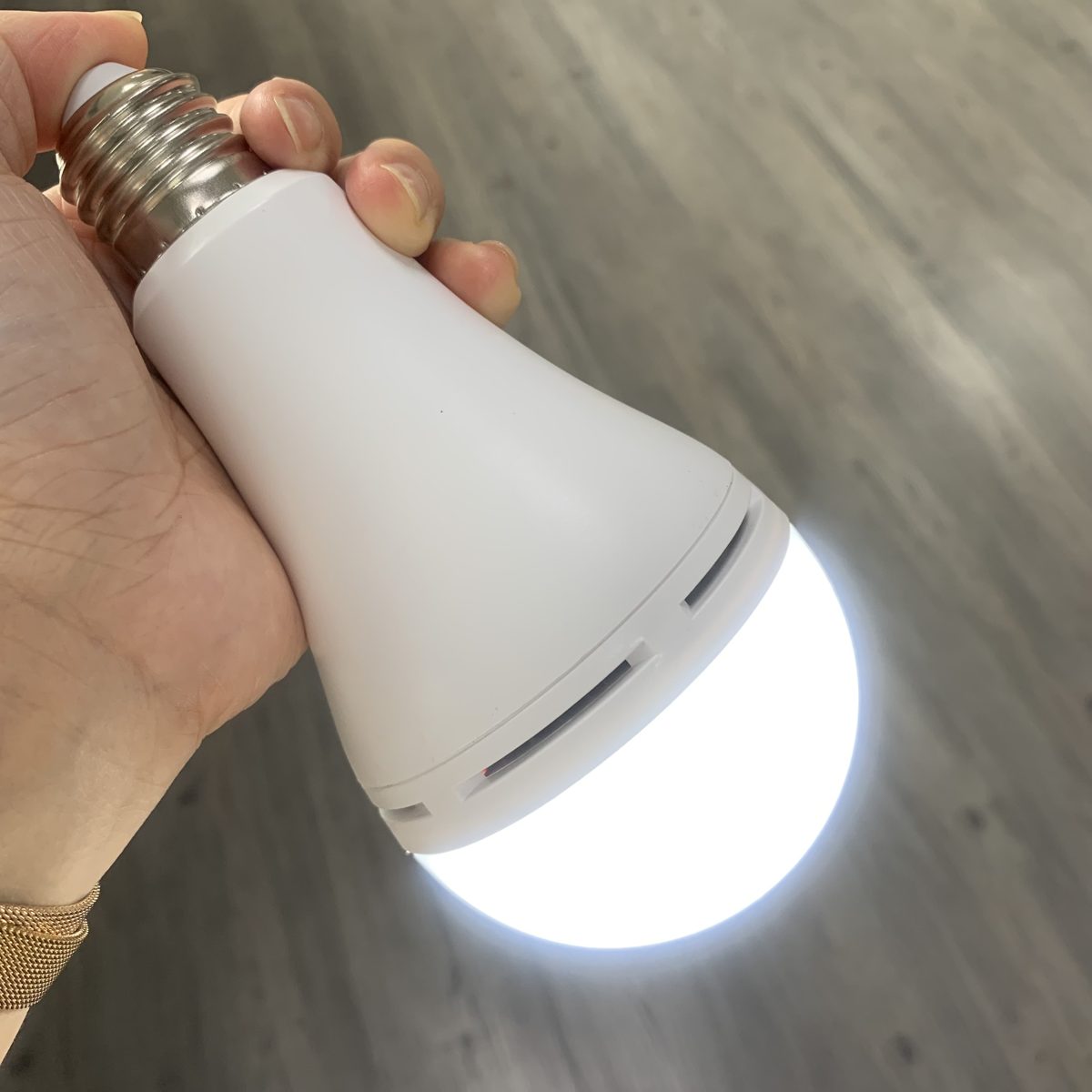
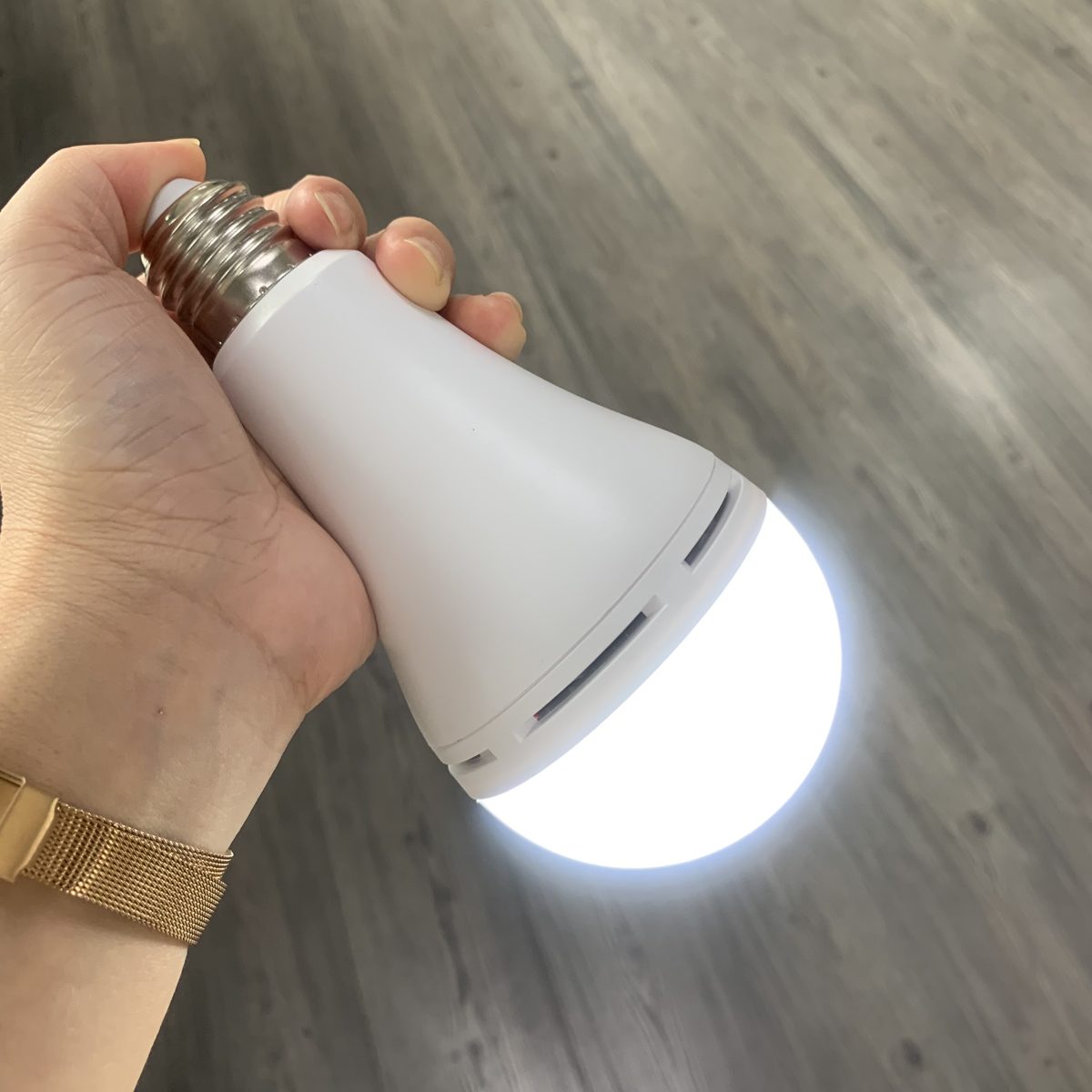
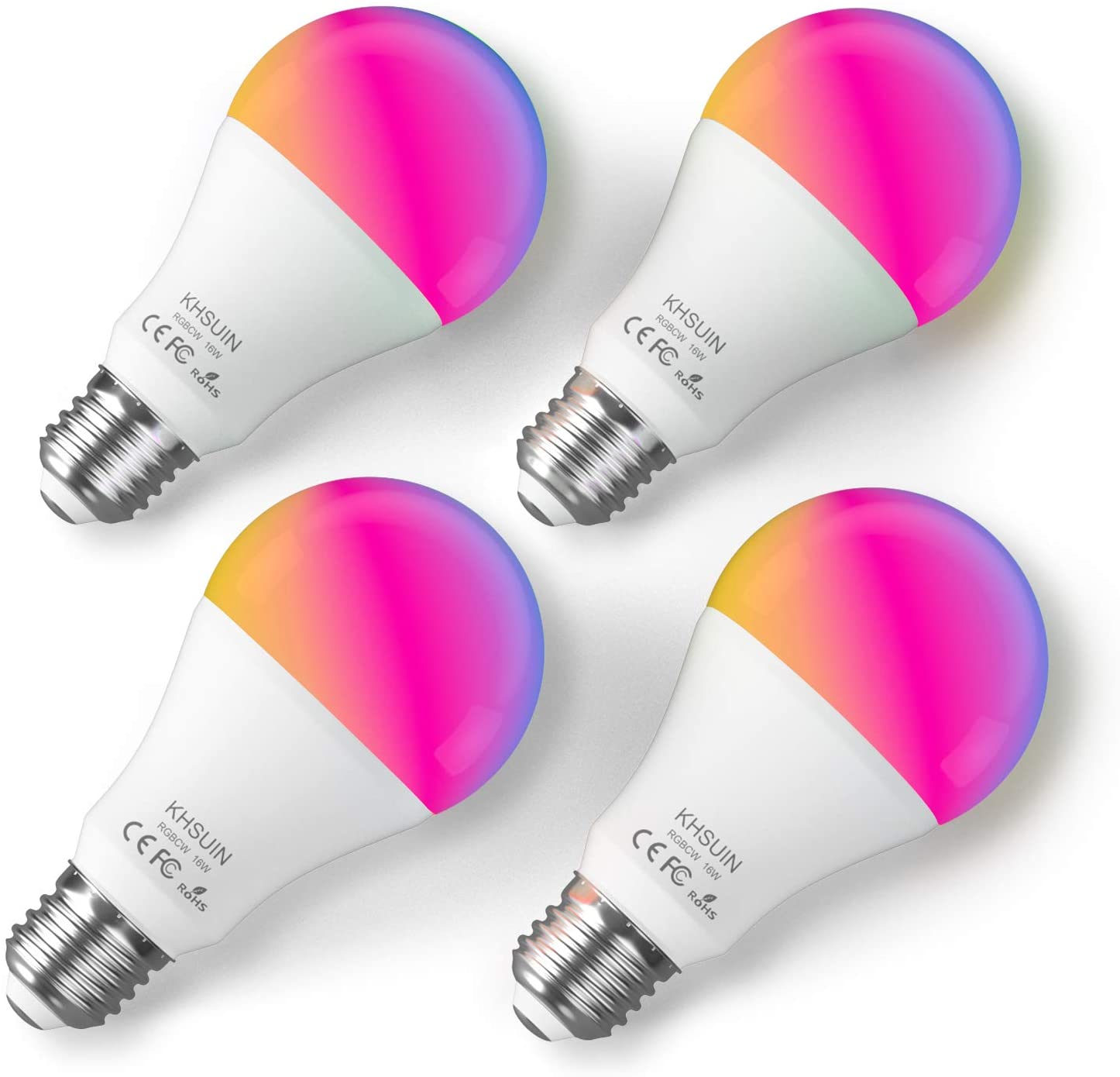
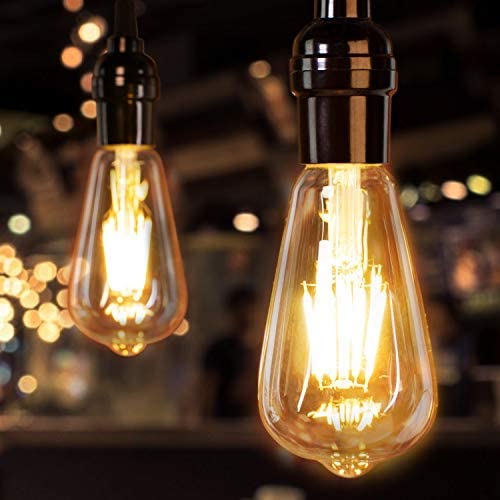
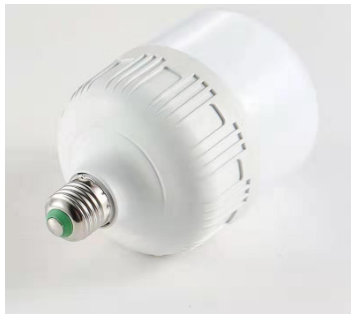
The bulb side of the LED line holds 14 documented models. It is built around the A60 household format — the A19/A60 series alone spans 7 W, 9 W, 12 W, 15 W and 18 W options on E27 bases — and extends into the specialist bulbs buyers usually have to source separately: battery-backup emergency bulbs, a Wi-Fi smart bulb, a decorative filament bulb and high-output T and garage formats. Recorded minimum order quantities are shown where the product record states them.
Programme facts from the records
| Household core | A19 / A60 series — 7 W / 9 W / 12 W / 15 W / 18 W options, E27 base, 2700–6500 K |
|---|---|
| Documented MOQ (A60 lines) | 3,000 pieces |
| Emergency runtime options | 1–4 h (A70 E27) and 8–10 h (rechargeable emergency bulb) |
| Smart option | Tuya Wi-Fi RGB + CCT, 9 W, 810 lm, dimmable |
| High-output options | T-shaped bulbs to 1600 lm; deformable garage light 80 W / 10,000 lm |
| Bases covered | E27, B22, E26, E14 (and G9/GU10/GU5.3 on the filament record) |
Bulb buyers typically consolidate this programme with the solar range: the same desk handles both, and the emergency bulb pages are the natural starting point if your market has unreliable grid power. For outage-focused buying, start with emergency light bulbs; for colour and app control, see the smart bulb page.
How the bulb families divide the market
The six bulb families are one catalogue wearing six uniforms. The A60 line is the volume engine — the replacement bulb every market buys by the carton. The emergency family is the resilience line, sold where grids are unreliable and presented as infrastructure rather than lighting. Filament bulbs are the decorative margin line, specified wherever the bulb is part of the interior design. Smart WiFi bulbs are the platform line — the entry point to app-controlled homes and hospitality programmes. Work and garage lights leave the socket-format conversation entirely, delivering high-bay output for the spaces households and workshops actually struggle to light. A distributor building a bulb programme typically anchors on the A60 for volume, layers emergency where the grid justifies it, and adds filament and smart for margin — all from one catalogue, one set of records, one carton logic.
One catalogue, one programme review
There is a procurement argument beneath the range logic: every additional bulb supplier a distributor carries is another set of samples to evaluate, another documentation trail to maintain and another quotation thread to run. The families on this page sit in one catalogue under one record discipline, so a distributor can evaluate the A60 anchor line and the emergency, filament and smart families in one programme review — each family still stands on its own product record, but the sourcing work happens once, in one place. That is the unglamorous reason consolidated bulb programmes outperform multi-supplier patchworks over time — not unit price, but the cost of knowing what you sell.